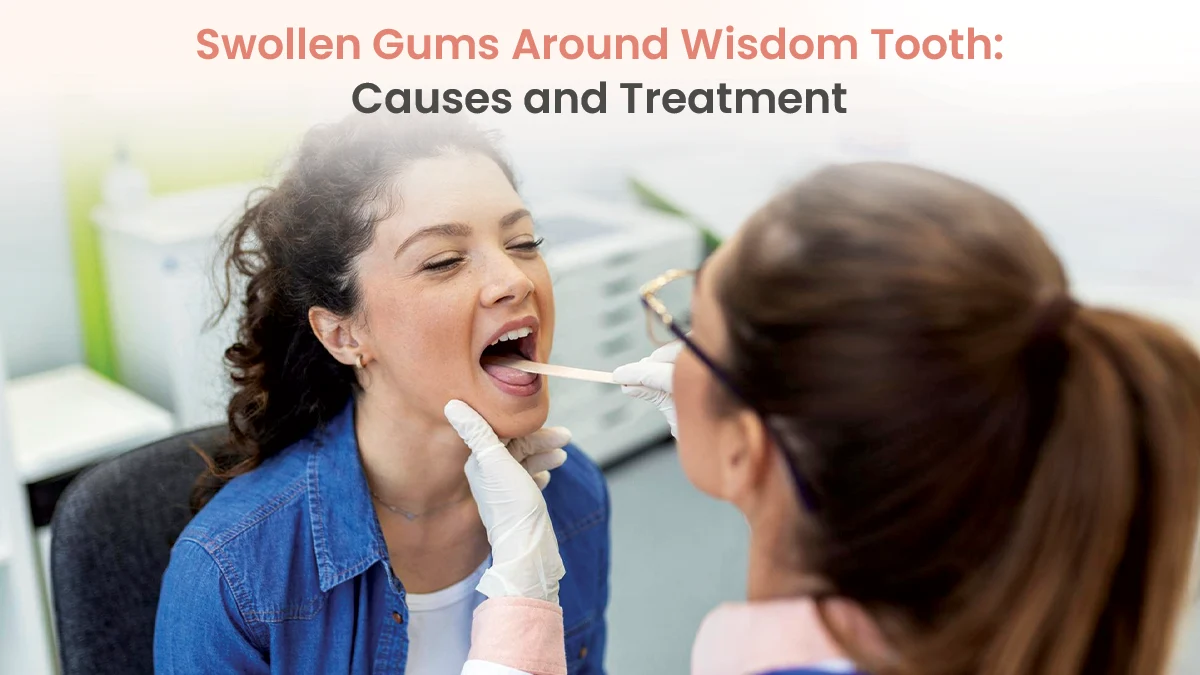
Swollen Gums Around Wisdom Tooth: Causes and Treatment
Have you recently noticed swollen gums around your wisdom tooth?
Maybe you have experienced a jolt of pain or a feeling of tenderness whenever you chew. It is quite common to ignore these symptoms in the hope that your pain resolves by itself in due time. It is also normal to experience mild discomfort when your wisdom teeth first erupt.
However, if you’re experiencing persistent swelling and pain, ignoring those symptoms is a big mistake, as they can hint at something of a more serious nature occurring.
If you continue to ignore the problem, it can lead to escalating symptoms such as:
- Difficulty in opening your mouth
- Persistent bad breath
- Continued spread of infection
The best course of action to relieve your symptoms and prevent further complications is getting timely intervention from your dentist. And if further dental evaluation shows that the wisdom tooth is the cause of your problem, then getting timely wisdom tooth extraction in Prabhadevi may be the most effective solution.
In this piece, we break down the causes of swollen gums, common symptoms to look out for, recommended treatment options and when you should seek professional assistance to resolve your problem.
Don't let wisdom tooth pain or swelling worsen with time.
A] Why Do Gums Swell Around a Wisdom Tooth?
Wisdom teeth usually erupt between the ages of 17 and 25 and are the last set of molars to appear in the mouth. As there is often limited space in your mouth when these teeth erupt, they may remain impacted or erupt partially.
If your wisdom tooth is only partially visible, it means that the rest is being covered by a flap of gum tissue. This could lead to infection, as plaque, food particles and bacteria can easily collect underneath this gum flap. As the bacterial accumulation in this area multiplies, it leads to the inflammation of surrounding tissue, causing redness, swelling, and pain.
This condition is known as ‘pericoronitis’ and it is one of the most common reasons for swelling around wisdom teeth.
B] What Is Pericoronitis?
Pericoronitis is an infection that develops when bacteria get trapped underneath the gum tissue surrounding a partially erupted wisdom tooth.
It is a condition that can develop quickly or recur repeatedly depending on whether the underlying wisdom tooth continues to remain untreated. If you’re dealing with a mild case of pericoronitis, it can be managed with medication and professional cleaning. However, in cases of recurring or severe infections, your dentist might recommend complete wisdom tooth removal.
If you continue to ignore your symptoms and leave your wisdom tooth untreated, it could lead to the infection spreading to nearby tissues, causing damage to adjacent teeth.
Consult your dentist immediately to get an early diagnosis and avoid complicated and expensive treatment procedures later.
C] Pericoronitis Symptoms You Should Not Ignore
Early detection of the following pericoronitis symptoms can help you seek prompt dental intervention before the infection becomes severe:
- Consistent symptoms of pain around the wisdom tooth
- Red, swollen, or bleeding gums
- Difficulty chewing food
- Bad breath or an unpleasant taste in the mouth
- Pus around the affected tooth
- Difficulty opening the mouth fully
- Swollen lymph nodes beneath the jaw
- Fever in more severe cases
Most patients first observe swollen gums in the back of their mouth while eating or brushing. If you have also noticed something similar, you should consult your dentist immediately, as the swelling, while localised at the moment, will begin to spread gradually if left untreated.
D] Common Causes of Swollen Gums Around One Tooth
While wisdom teeth are quite often a common cause, you could be experiencing swollen gums around one tooth due to several other factors, including:
- Partial eruption of a wisdom tooth
- Bacterial infection beneath the gum flap
- Food trapped around the tooth
- Poor oral hygiene
- Impacted wisdom teeth
- Gum disease
- Trauma caused by biting or aggressive brushing
Your dentist will determine the exact cause of your symptoms through a comprehensive dental evaluation and, if needed, an X-ray.
E] How Dentists Diagnose the Problem
First your dentist will assess the extent of the infection by examining the swollen area. This will help them confirm if your wisdom tooth is impacted or partially erupted.
Now, based on the severity of your condition and the symptoms you’re exhibiting, the examination may include:
- A visual inspection of the gums
- Checking for pus or trapped debris
- Evaluating your bite
- Using X rays to understand the position of your wisdom tooth
- Assessing whether any of your nearby teeth or bones have been affected
After carrying out a careful examination, your dentist will decide on the most appropriate gum swelling treatment for your specific condition. The goal of the chosen treatment option will be to provide you with long-term comfort, as opposed to just addressing your symptoms.
F] How to Treat Swollen Gums Around a Wisdom Tooth
“How to treat my swollen gums?”
If you are wondering about treatment options, one thing you should keep in mind is that there is no one-size-fits-all solution here. It depends on the particular nature and severity of your infection and the position of your wisdom tooth.
Home Care for Mild Symptoms
After a careful examination, if your dentist detects that there are no symptoms of severe infection, they may recommend supportive care measures such as:
- Rinsing with warm salt water several times a day
- Maintaining excellent oral hygiene
- Brushing gently around the affected tooth
- Drinking plenty of water
- Eating soft foods until your swelling improves
- Applying a cold compress on the swollen area to reduce discomfort
These measures can provide you with some temporary relief from pain. However, they will have minimal impact if the cause of your symptoms is infection caused by bacteria remaining trapped beneath the gum tissue.
G] Professional Treatment for Pericoronitis
Any pericoronitis treatment option recommended by your dentist will prioritise removal of the infection and the prevention of future relapse.
Based on the particular nature of your symptoms, treatment may include:
- Cleaning the area beneath the gum flap
- Removing trapped food particles and bacteria
- Prescribing antiseptic mouth rinses
- Draining any pus if necessary
- Recommending wisdom tooth extraction if the infection is likely to recur
If your dentist determines that there is a very slim chance of your wisdom tooth erupting naturally, they’ll recommend extraction as the preferred long-term treatment solution.
H] Medicines for Swollen Gums
Have you searched for medicine for swollen gum treatment online in the hope of finding an over-the-counter solution to your pain symptoms?
If you have, you are not alone.
Many of our patients have admitted to doing something similar themselves before they booked an appointment. But it’s important to keep in mind that even if an OTC painkiller provides you with temporary relief from pain, it will not address the underlying cause of your symptoms.
After carrying out a detailed evaluation, your dentist may prescribe:
- Pain-relieving medication
- Anti-inflammatory medication
- Antiseptic mouth rinses
- Antibiotics when a bacterial infection is confirmed
Your pain symptoms might drive you to frantically look for the best antibiotic for pericoronitis, but it is important to remember that there is no single antibiotic that can be universally prescribed for everyone.
Your dentist will prescribe the right medication after taking into account:
- The severity of your infection
- Your medical history
- Allergies
- Other individual contributing factors
Refrain from consuming any antibiotics unless prescribed by your dentist.
I] Pericoronitis Treatment Cost in Prabhadevi, Mumbai
The costs associated with dental procedures can often be a deterrent for patients. However, delaying treatment only leads to your infection becoming progressively more severe, resulting in higher overall care costs.
Pericoronitis treatment cost can vary based on the severity of your infection and the treatment required. It can vary depending on whether your treatment requires:
- Professional cleaning around the wisdom tooth
- Prescription medications
- Drainage of the infection
- Wisdom tooth extraction
- Dental X rays
J] When Should You Visit a Dentist Immediately?
You should book an appointment with our specialists promptly if you experience any of the following symptoms:
- Severe or worsening pain
- Facial swelling
- Fever
- Difficulty swallowing
- Difficulty opening your mouth
- Pus around the tooth
- Swelling that does not improve after two days
The risk of any existing infection spreading further to surrounding tissues increases the longer you delay treatment.
Find the right treatment before the infection becomes more serious.
Conclusion
Temporary irritation is to be expected during wisdom tooth eruption. However, if you experience persistent symptoms of pain, swelling, or other signs of infection, it’s indicative of a more serious condition that requires professional attention.
A swollen gum around a wisdom tooth should never be ignored.
Consult your dentist as soon as possible to detect the underlying case and get timely treatment. This will help relieve your discomfort, prevent further complications, and protect your overall oral health.
If you are experiencing swelling or pain around your wisdom tooth, visit our leading dental clinic in Prabhadevi for a comprehensive evaluation. Our experienced team provides personalised care to diagnose the cause, relieve your symptoms, and recommend the most appropriate treatment to restore your oral health.
FAQs
- Gum disease
- Trauma from biting
- Impacted wisdom tooth
- Red, swollen, or bleeding gums
- Difficulty chewing food
- Bad breath or an unpleasant taste in the mouth
- Pus around the affected tooth
- Difficulty opening the mouth fully
- Swollen lymph nodes beneath the jaw
- Fever in more severe cases
- Pus
- Fever
- Facial swelling
- Difficulty swallowing
- Difficulty opening your mouth