How Orthodontists Treat Complex or Unusual Dental Cases
Most people think orthodontics is just about straightening crooked teeth. Fair enough, as that’s what we usually see in photos, right? A few brackets, some wires, and a straighter smile.
But here’s the part nobody really talks about. Some cases are more complicated than they look.
Maybe the jaw is too small for all the teeth. Maybe a tooth never came in, your bite feels “off” when you chew, or your jaw clicks when you open wide. Believe it or not, past dental work like crowns or implants can also make tooth movement more complex.
In our experience, hearing that your case is “complex” can sound intimidating. You might wonder, is this even fixable? Will this take years? Is it going to hurt?
Here’s the reassuring truth. ‘Complex’ does not mean ‘untreatable’. It just means your smile needs a more personalised game plan, and that’s exactly what orthodontists are trained to do.
Have you been told your orthodontic case is complicated? A specialist evaluation can show you what’s truly possible.
A] What Makes a Dental or Orthodontic Case “Complex”?
Think of orthodontic treatment like solving a puzzle. Most smiles have a few pieces slightly out of place. Complex cases just have more pieces to work with.
1. Crowding and Tooth Gaps
Severe crowding is a big one. When there isn’t enough room in the jaw, teeth overlap, twist, or get pushed forward. Cleaning becomes harder, as gums can get irritated, and alignment takes more planning.
On the flip side, some people have too much space between their teeth, which can affect both appearance and bite balance. To close those spaces without harming the bite takes precision.
2. Jaw Alignment and Bite Issues
Jaw differences are another factor because sometimes the upper and lower jaws don’t line up properly. It would be a mistake to think of this as just an aesthetic concern, as it can affect your chewing, speech, and long-term tooth wear. In such cases, your treatment plan may involve jaw realignment so that your teeth and jaws function together properly.
Then there are teeth that don’t erupt the way they should. An impacted tooth can stay trapped in the bone and needs careful guidance to come into position safely.
3. Bite Problems and Past Dental Work
Bite problems add another layer. Overbites, underbites, crossbites, and open bites change how forces are distributed when you chew. Over time, that can lead to uneven wear or even cause you jaw discomfort.
And let’s not forget past dental work. Crowns, bridges, implants, or previous orthodontic treatment can limit how your teeth move.
So when we say “complex”, we don’t mean “bad”. We mean it requires deeper planning and a more customised approach.
B] Common Types of Complex or Unusual Orthodontic Cases
These are the kinds of situations orthodontists see all the time.
1. Severe Crowding or Protrusion
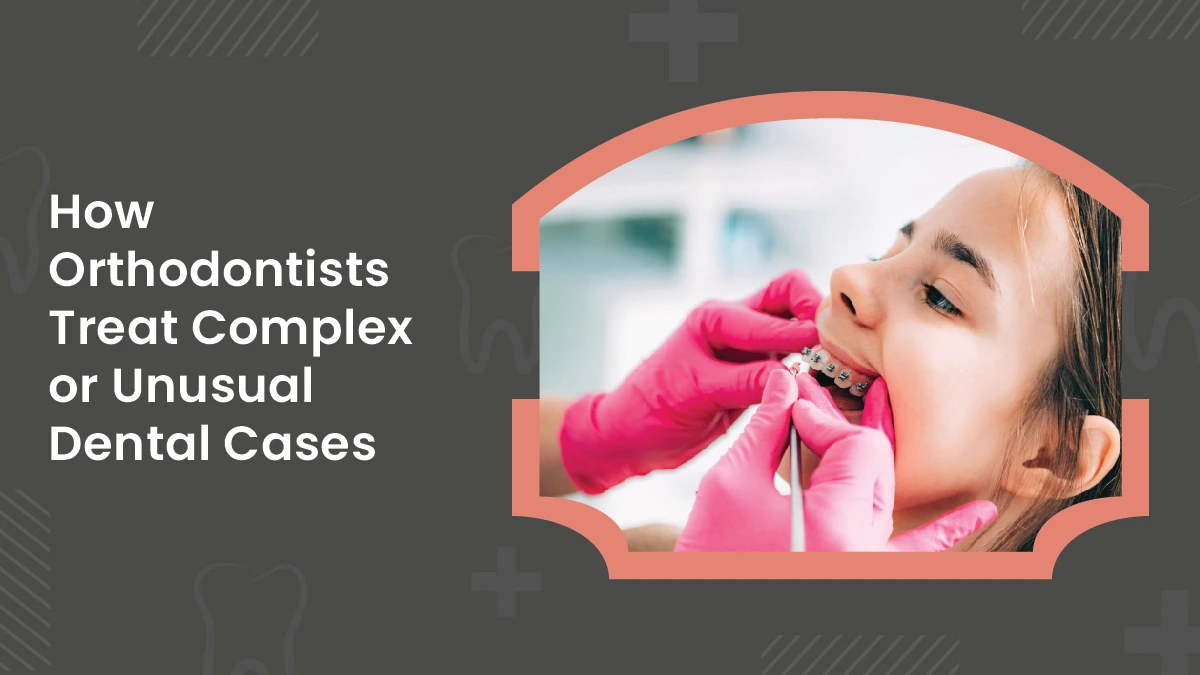
Sometimes there just isn’t enough space for all the teeth to sit neatly in the arch. They overlap, rotate, or stick out. Besides your appearance, this can affect gum health because crowded areas trap plaque more easily. Careful space creation and controlled movement can be achieved using fixed braces to help guide your teeth into healthier positions.
2. Impacted or Ectopic Teeth
Some teeth grow in completely the wrong place or don’t come in at all. These teeth can be gently exposed and guided into position over time. While this can be a very slow process, most patients find it to be incredibly rewarding when that hidden tooth finally joins their smile.
3. Jaw Misalignment (Skeletal Issues)
Sometimes the jaws themselves are the main cause of the problem. The upper jaw may be too far forward or back compared to the lower jaw, which can affect your chewing efficiency and facial balance. In certain cases, orthodontics combined with surgical care is needed to correct the underlying structure.
4. Missing, Extra, or Abnormally Shaped Teeth
Some people are born without certain teeth, while others may have extras blocking eruption. Early tooth loss can also cause your neighbouring teeth to drift, creating spacing or bite problems that weren’t there before.
5. Relapse After Previous Braces
Teeth naturally want to move throughout life. Without proper retainer use, they can shift back. Correcting relapse often requires a fresh plan, sometimes involving updated techniques or improved retention strategies.
The point we would like to emphasise here is “unusual” in orthodontics is actually pretty common and also very manageable with the right approach.
C] How Orthodontists Diagnose Complex Cases
Diagnosis is where everything starts to make sense.
First comes a detailed clinical exam. We look at tooth positions, gum health, jaw movement, and facial proportions. A smile isn’t just about your teeth; it's how everything works together.
Digital X-rays show root positions, bone levels, and teeth that haven’t erupted yet. Many practices now use 3D scans, which give a full picture of the jaws, airway, and bite from every angle.
Bite analysis helps us understand how your teeth meet when you chew. Even small imbalances can lead to long-term strain or uneven wear.
For kids and teens, growth evaluation is huge. Timing treatment with growth spurts can make correction more efficient and stable.
Sometimes, orthodontists collaborate with other specialists, such as oral surgeons, restorative dentists, or gum specialists. So, complex care is never guesswork; it’s coordinated planning.
D] Treatment Approaches Used for Complex Cases
This is where people usually lean forward and ask, “Okay… so what does treatment actually look like?”
The answer depends entirely on the individual.
1. Advanced Braces, Clear Aligners and Supportive Devices
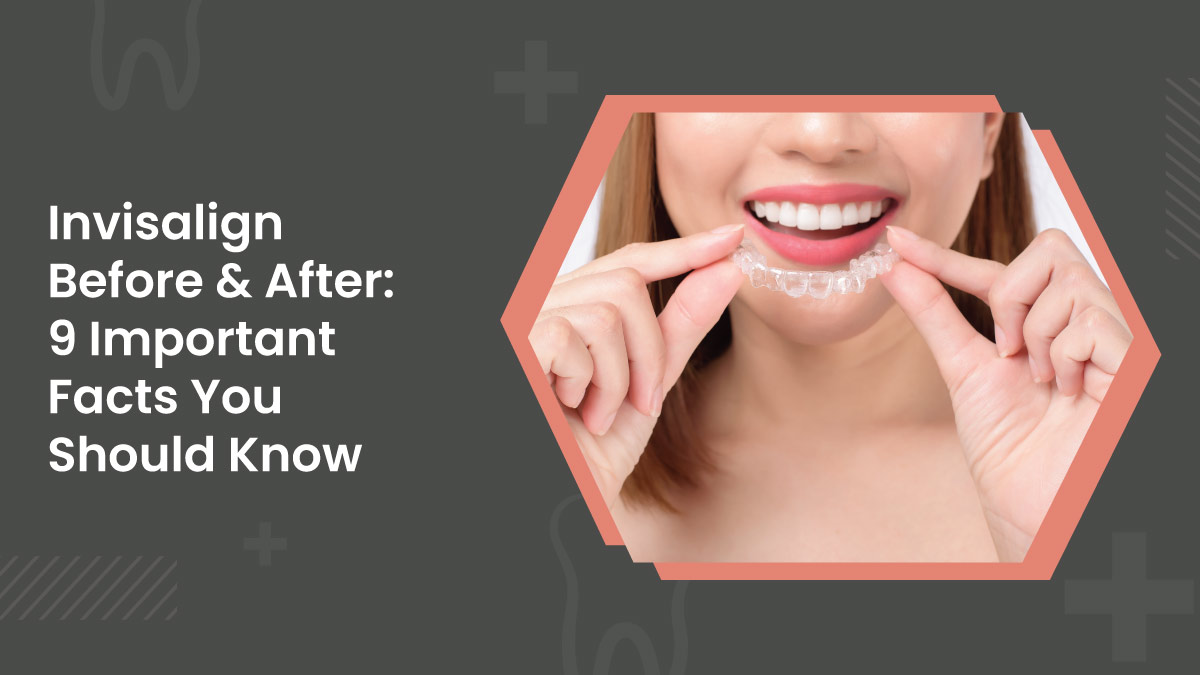
Some cases benefit from advanced braces that allow very precise movements. Others may use clear aligners with small attachments that help guide teeth more accurately.
In certain situations, your orthodontist may use tiny support devices to help move your teeth in ways that weren’t possible years ago, which provide extra stability for difficult movements.
Orthodontics is sometimes done before other dental treatments, as teeth may need to be repositioned to make room for implants or improve how crowns fit.
2. Orthodontics, Jaw Surgery and TMJ-Focused Care
When jaw differences are significant, orthodontic treatment can be combined with surgery. We understand that can sound intimidating, but for the right patient, it can dramatically improve their function, comfort, and facial balance
Jaw joint discomfort may also be involved in complex cases. Some patients benefit from TMJ orthodontics, where bite correction helps support better joint balance. In certain specific situations, orthodontic treatment for TMJ can help reduce strain on the jaw muscles.
Treatment style also depends on lifestyle. Some adults prefer discreet options like removable braces for adults when suitable, while others may need more controlled systems for predictable results.
All that to say, there is no one-size-fits-all solution; only the right solution for your smile.
E] Why Experience Matters in Complex Orthodontic Treatment
Here’s something patients don’t always realise.
Moving teeth is biology, not just mechanics. Bone, gums, roots, and joints all respond differently depending on age and health. This further highlights why specialist training is so critical when dealing with difficult cases.
Lack of proper treatment planning can lead to relapse, gum issues, or bite problems later on. Experienced orthodontists know how to anticipate these risks and adjust treatment along the way. Complex cases aren’t about working harder. They’re about planning smarter.
Jaw discomfort, bite issues, or teeth not moving as expected? It may need a more advanced orthodontic approach.
Conclusion
If you’ve been told your orthodontic case is complex, take a breath. It doesn’t mean there’s no solution. It just means your smile needs a more detailed roadmap.
Modern orthodontics is equipped to deal with such challenges. Through proper evaluation, careful planning, and experienced supervision, even the most unusual situations can be remedied safely and provide effective outcomes.
And honestly? Some of the most satisfying smile transformations come from the cases that seemed complicated at the start.