.webp)
Mastering Your Routine: 7 Essential Oral Hygiene Tips and Steps for a Healthy Smile
How great would it be if all we had to do was brush twice daily and our teeth would stay perfect forever?
Unfortunately, it's just not that simple.
Maintaining excellent oral health will require you to do a lot more than just the basics.
It’s also worth keeping in mind that your mouth is a critical gateway to your overall well-being.
It starts from following the right oral hygiene steps. From your daily eating habits to the often-overlooked tools in your bathroom, small choices can dramatically impact the strength of your teeth and gums.
We often skip important preventive habits or cling on to incorrect habits out of ignorance or laziness, which leaves us vulnerable to decay and disease.
In this guide, we will help you identify the five key risk factors that may already be compromising your oral health and provide seven actionable oral hygiene tips to master your routine and secure a healthier mouth starting today.
A healthy routine means nothing without regular check-ups.
A] 4 Important Reasons Why Oral Health is Important
1. It Affects Your Overall Health
Your mouth can also serve as an important checkpoint for detecting early signs of systemic health conditions. Harvard research has shown that patients with periodontal or gum disease are more susceptible to heart conditions. Here are some other complications that can arise because of a poor oral hygiene routine.
- Infective Endocarditis
- Bacterial Pneumonia
- Pregnancy Complications
- Low Birth Weight
- Sepsis
- Cancer
It is also recommended to schedule regular checkups with your dentist to ensure that you are following the right oral care procedure.
2. Prevents Tooth Loss
Poor oral hygiene is one of the major causes of tooth loss. You might think that regular brushing and flossing is all you need to prevent plaque buildup in your mouth. And it does help for the most part, but only a professional cleaning can ensure your gum lines and hard-to-reach teeth are truly tartar and plaque-free.
3. Improves your Confidence and Social Well-being
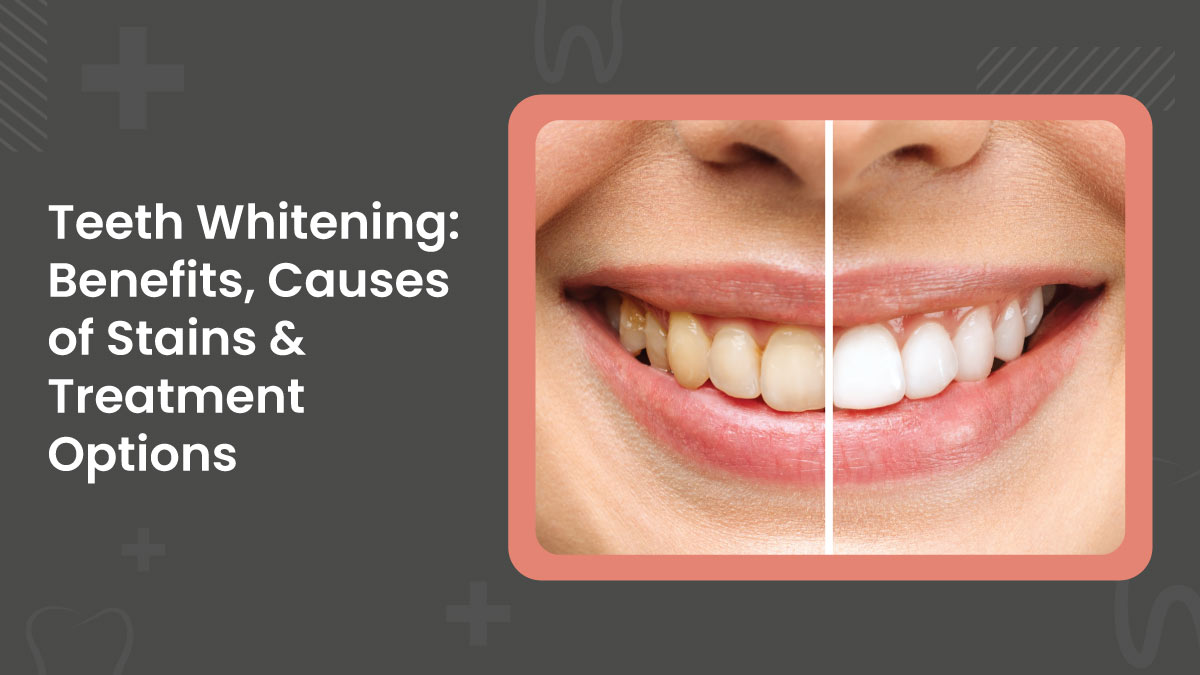
If you are dealing with persistent issues like stained teeth or bad breath, it can affect your social confidence. Good oral care habits will help you prioritise a healthy smile, increasing your confidence levels in the process.
4. Supports Better Digestion and Nutrition
Healthy teeth and gums are essential for proper chewing (mastication). If your chewing is painful or compromised in any way, the food you eat won't be broken down properly, which could lead to reduced nutrient absorption and potential digestive issues.
B] 5 Risk Factors that Indicate Poor Oral Hygiene
1. Lack of Regular Dental Check-ups
The dental checkup importance is often overlooked: Skipping regular dental check-ups is one of the most common risk factors that contribute towards poor oral health. It doesn’t matter why you are avoiding seeing the dentist. It could be because of treatment or cost anxiety. Or perhaps you're just so preoccupied that you simply forget to book an appointment. Neglecting regular visits to the dentist can lead to delays in identifying issues such as gum disease, cavities, or other dental health issues.
2. Inadequate Brushing Techniques
You might have thought that you had this whole brushing thing figured out. But, you would be surprised how often small incorrect habits creep in that leave key areas vulnerable to plaque and bacteria build-up. Knowing how to clean teeth properly goes beyond just getting toothpaste on a brush; it requires the right technique to protect those vulnerable spots. Sometimes you may leave hard-to-reach areas untouched or fail to apply the right level of pressure while brushing. Additionally, using the wrong type of toothbrush or failing to replace it on time can also hinder effective removal of harmful plaque.
3. Poor Dietary Choices
The type of food or beverage option you choose on a daily basis also plays an important role in your oral health. Foods or beverages with high-sugar concentrations can cause cavities, while acidic options can lead to erosion of the tooth enamel. If your diet is deficient in essential minerals and vitamins, it can weaken your teeth and gums, which increases the risk of oral health complications.
4. Tobacco Use
Use of tobacco is one of the most significant risk factors that leads to various oral health complications. If you are a regular smoker or chew tobacco daily, you should be aware that this can increase the risk of tooth loss, gum disease, and oral cancer. Tobacco is also known to cause tooth discolouration and bad breath.
5. Dry Mouth
Dry mouth, also known as xerostomia, is when your mouth produces an insignificant amount of saliva. Saliva is integral for neutralising acids and washing away food particles and bacteria that cause decay and bad breath. If you suffer from dry mouth, then you can be more prone to cavities and gum disease. Dry mouth can also quite often be the result of a medical condition such as diabetes or certain medications or simply dehydration.
C] 7 Tips To Improve Your Oral Hygiene
You might be wondering how to maintain good oral hygiene without completely overhauling your daily schedule. Here we provide a list of good oral hygiene habits that you can implement immediately into your routine.
1. Allow Time Before You Brush
Do you begin your morning with a glass of juice? You should then definitely consider postponing brushing your teeth for later. As we have mentioned before, food items that have a low pH value (or are acidic in nature) can temporarily soften the surface of your tooth enamel.
If you immediately grab your toothbrush, that action can remove some of the outer protective layer, making teeth vulnerable to decay over time. After having acidic foods or drinks, it is advisable to rinse your mouth with water right away, as the acids in contact with the enamel can lead to faster decay. Therefore, it's best to delay brushing after you've had acidic foods or beverages like citrus fruit, soda, tomatoes, and wine.
Research has shown that individuals who waited between 30 and 60 minutes to brush after drinking soft drinks had significantly less wear on their teeth compared to those who brushed more quickly.
2. Choose a Gentler Brush
You probably already know that you are supposed to get a new toothbrush every few months (or sooner if the head looks worn), but if you use a firm brush, think about changing it immediately.
If you have a brush with medium or hard bristles, it may make your teeth feel cleaner, but they can also be too abrasive and cause damage over time. You can also consider using a motorized toothbrush—electric or battery-operated—as it offers better plaque removal, consistent brushing pressure, and improved cleaning with minimal effort. In most scenarios, you would benefit from using a soft-bristled brush.
And there is no need to scrub vigorously, either. It is bad for both your gums and your teeth. Instead, apply just a small amount of pressure, angle the bristles at forty-five degrees near the gum line, and use a short, gentle, circular motion.
3. Begin Cleaning in the Rear
This simple practice can help you clean those difficult-to-reach areas better, which is crucial because the many small crevices in your back molars are more likely to experience disease and decay.
Kicking off your routine in the back of your mouth (at least sometimes) is an effective way to give those rear teeth the thorough care they need. The key is to start in the same place every time, such as the upper right side in the back, and consistently follow the same pattern, so you can be sure you won't skip any areas.
4. Incorporate Rinse and Chewing Gum
If you are already brushing and flossing twice each day, you might think that is enough. But rinsing with mouthwash right after will eliminate more germs, assisting in the fight against plaque. After you brush and floss, swish the liquid forcefully for half a minute twice daily.
Another useful tip is to chew gum. Sugarless gum can lessen the amount of germs inside your mouth and increase the flow of saliva, which coats the teeth with calcium and phosphate that help rebuild your tooth enamel.
5. Limit Brushing Frequency
Ignore anybody who tells you that you have to brush after every meal. Overbrushing can damage the protective enamel and your gums, which is why brushing twice daily is more than enough. You should also rinse with plain water after having a snack or meal. You can swish the water forcefully, making the liquid move between the teeth to disturb and move any pieces of food.
6. Avoid Prolonged Sipping of Sweet Beverages
While you should restrict the consumption of sugary drinks in your diet, if you are going to consume something like a soft drink or sweetened coffee, it is better to drink it all at once. If you sip it slowly throughout the day, you continuously expose your mouth to sugar. Certain oral bacteria use that sugar as a food source and convert it into lactic acid, which then starts to dissolve the minerals in your teeth, causing cavities to form.
7. Sanitise Your Brush Holder
When did you last give the container for your toothbrush a thorough cleaning? It does more than just hold your brush; it also retains many of the bacteria that exist in your bathroom. Research has shown that toothbrush containers are the third most germ-filled object in the home (your kitchen sponge and sink take the top two spots). So, either run the holder through the dishwasher or clean it in hot, soapy water, followed by a disinfecting wipe, once or twice a week.
Stop cavities and gum issues before they start.
Conclusion
Your oral health does not just affect your smile and teeth; it can also affect your overall general health, confidence, and quality of life.
From understanding the danger of dry mouth to using a gentler toothbrush, your path towards a healthy smile is paved with small, consistent actions.
By incorporating these essential tips, you are not just caring for your mouth; you are significantly investing in your long-term health.
Take charge of your oral hygiene routine today; your health and future self will thank you.
For personalised care from a top dental specialist, consult the best dental clinic in Prabhadevi and book an oral hygiene consultation in Prabhadevi to design a maintenance plan tailored specifically to your needs.