What to Eat After Wisdom Tooth Extraction: Soft Diets for Quick Recovery
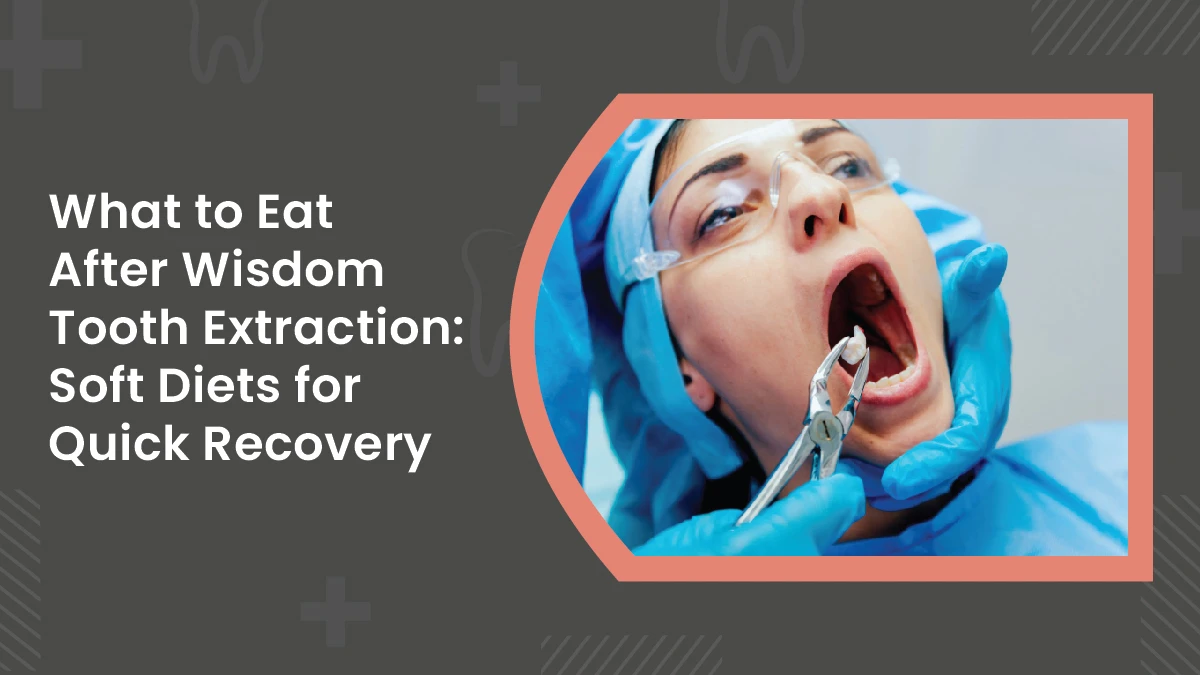
Wisdom tooth removal is incredibly common. In fact, it’s one of those procedures dentists perform so often that it can start to sound routine. But here’s the part patients quickly realise: recovery matters just as much as the surgery itself.
Almost every patient asks the same thing once the numbness starts fading: “So… what can I eat now?” And honestly, that’s a smart question.
Food choices in the first few days can directly affect pain levels, swelling, and how smoothly things heal. This isn’t just about comfort. It’s about protecting the surgical site while your body does its repair work.
After extraction, a blood clot forms in the socket. That clot is essential. It shields the bone and nerves underneath and gives new tissue a chance to grow. When that clot gets disturbed, your healing slows down, and complications like dry socket become more likely.
Hard, crunchy, spicy, or overly hot foods can irritate the wound and also delay tissue repair. Dehydration can make your swelling worse. That’s why what to eat after wisdom teeth removal isn’t a casual decision; it’s part of proper recovery.
Not sure if your recovery is on track or when to move beyond soft foods? A quick check can give you peace of mind.
A] The First 24 Hours: What to Eat Immediately After Surgery
What we tell our patients after a wisdom tooth extraction at our Prabhadevi clinic that the first day after a wisdom tooth extraction is all about protection.
Your mouth has just been through surgery, even if it doesn’t look dramatic from the outside. Chewing, suction, and heat can all interfere with clot formation, especially after impacted wisdom teeth removal, when the extraction site is deeper and healing can be more sensitive.
So think simple. Very simple.
Cold or room-temperature liquids are ideal. Smooth soups (never hot), yoghurt, smoothies without seeds, milkshakes, and coconut water are all gentle options. Room-temperature idli or dal rice can also be considered as options. These provide calories and hydration without asking your jaw to do any work.
Here’s the kicker: how you consume food matters as much as what you eat.
Important safety rules for day one:
- Avoid hot foods and drinks completely.
- Do not use a straw (suction can dislodge the clot).
- Take small, slow sips instead of large gulps.
Some patients worry they aren’t “eating enough” on day one. That’s okay. This stage is about rest and protection, not full meals. Think of it as the foundation phase for wisdom tooth extraction aftercare.
B] Days 2–3: Soft Foods That Support Healing
By day two, most patients notice a shift. Swelling may still be present, but pain is more manageable. Opening the mouth feels easier, and you will feel your hunger start to return.
This is when your diet can gently expand, and we really can’t stress the 'gently' part enough here.
Soft, lukewarm foods that require minimal chewing are the goal, such as:
- Mashed potatoes,
- Scrambled eggs,
- Soft rice or khichdi,
- Oatmeal or porridge,
- Well-steamed and mashed vegetables,
- Soft pasta,
- Noodles, paneer,
- Or tofu
All works well.
Think of texture before taste. If a fork can cut it easily, your mouth can usually handle it.
A few practical tips:
- Keep foods lukewarm, not hot.
- Take small bites.
- Chew away from the extraction site.
This stage is critical for healing after wisdom teeth removal because your body needs nutrients to repair tissue and reduce inflammation. The consumption of protein will help you rebuild tissue. Carbohydrates provide energy, and vitamins and minerals support immunity.
Quite often our patients ask for a clear list of soft foods to eat after wisdom tooth removal, and the truth is, variety matters. Eating well during this phase can noticeably shorten recovery time.
C] Foods to Avoid After Wisdom Tooth Removal
Now let’s talk about the foods that cause the most trouble.
Avoid:
- Crunchy foods like chips, nuts, and popcorn
- Sticky foods such as caramel or chewing gum
- Spicy or very salty dishes
- Acidic foods and drinks like citrus juices or sodas
- Hard foods, including toast or raw vegetables
- Alcohol
- Hot beverages in the first 24 hours
Here’s why this matters. Crunchy and hard foods can physically disturb the extraction site. Sticky foods cling to healing tissue. Spicy and acidic items can irritate the wound, while alcohol slows healing and increases the risk of bleeding.
And dry socket? That’s often linked to diet mistakes or suction forces early on.
This is why our leading dentists in Prabhadevi stress post-wisdom teeth removal care so strongly. What you avoid can be just as important as the foods you eat after wisdom tooth extraction.
D] Hydration: The Part People Forget
Now we come to an often underrated aspect of recovery: hydration. In our opinion, it simply doesn’t get the attention it deserves.
Water supports circulation, reduces swelling, and helps nutrients reach the healing tissue. Dehydration, on the other hand, can slow recovery and worsen discomfort.
Sip water regularly throughout the day. Coconut water can help replenish electrolytes. Just remember: no straws.
Hydration is a quiet but powerful part of healing after wisdom tooth extraction, even though patients rarely think about it.
E] When Can You Return to Normal Eating?
Most patients can slowly reintroduce firmer foods around day five to seven. But, and this is important, recovery isn’t a fixed timeline.
Healing depends on:
- The complexity of the extraction
- Whether stitches were placed
- Individual healing response
If pain increases, swelling worsens, or bleeding returns when you try firmer foods, that’s your sign to slow down.
Always follow your dentist’s guidance. They’ve seen your scans and understand your specific case, including how your mouth looks before and after wisdom teeth removal.
Pain, swelling, or confusion about diet after extraction? Get personalised after-care advice from a dental expert.
Conclusion
At the end of the day, food is part of treatment, not just comfort.
Soft, nutritious choices protect the surgical site, reduce pain, and support faster healing. Rushing back to normal eating or ignoring dietary advice can delay recovery and create unnecessary complications.
If you’re unsure about symptoms, food progression, or healing pace, reach out to your dental clinic. A quick check-in can save you a lot of discomfort.
Healing is a process, and eating right helps your body do it well.
FAQs
- Protein shakes
- Yoghurt
- Soft paneer or tofu
- Well-blended dals