Full Mouth Rehabilitation: Process, Benefits, and Its Impact on Oral Health
For a lot of people, it does not happen all at once.
It is years of putting things off, one tooth at a time, until the day arrives when the problem feels too big and too tangled to know where to even begin.
Maybe eating has become something you plan around. Maybe you have stopped smiling in photos without thinking about it. Maybe you have been told by more than one dentist that you need a lot of work, and the conversation ended there.
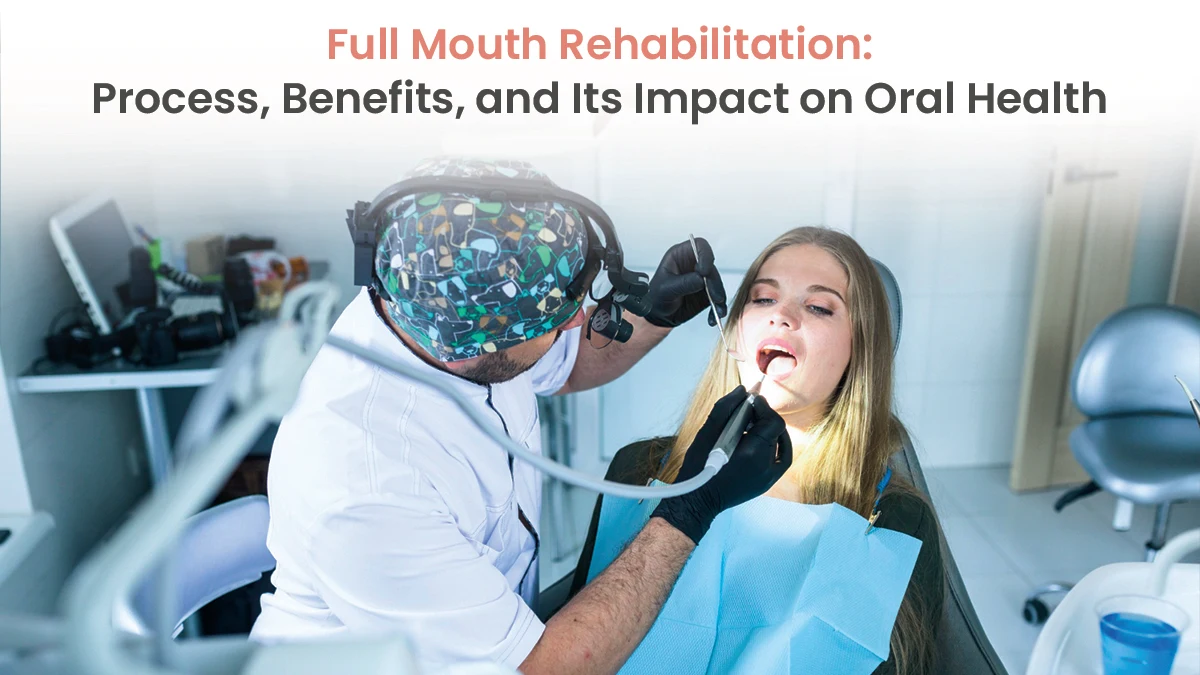
Full mouth rehabilitation exists for exactly this situation. It is a structured, phased approach to restoring the health, function, and appearance of your entire mouth, not as a series of disconnected fixes but as one coordinated plan.
If you are in Mumbai and want a specialist who will look at the whole picture rather than just the next urgent tooth, our team offering dental implants in Prabhadevi at Enamel Dental Specialities is the right place to start.
Find out exactly what your mouth needs in one appointment.
A] What Is Full Mouth Rehabilitation?
1. More Than a Collection of Procedures
What is full mouth rehabilitation?
At its core, it is a personalised treatment plan that brings together multiple dental disciplines to restore all or most of the teeth in both jaws.
The distinction that matters is this: it treats the mouth as a system, not a set of individual problems. The teeth, gums, bite, and jaw joints all influence each other. Full mouth rehabilitation addresses all of them together.
2. Rehabilitation vs Reconstruction: Is There a Difference?
What is full mouth reconstruction?
The terms are often used interchangeably, and the difference is mostly one of emphasis. Reconstruction tends to refer to the structural rebuilding of damaged or missing teeth. Rehabilitation has a broader meaning, including the functional goals: correcting the bite, restoring comfortable chewing, and achieving long-term oral health stability. Most comprehensive treatment plans involve both, and most specialists use the terms to mean the same thing.
3. Who Is It For?
Full mouth rehabilitation is for people dealing with multiple, interconnected dental problems, such as:
- Multiple missing teeth
- Severe wear from years of grinding or acid erosion
- Extensive decay that has spread across several teeth
- Old restorations that are failing
- A bite that feels off and is causing jaw pain or headaches
It is not a cosmetic upgrade for teeth that are fundamentally healthy. It is a clinical response to a mouth that has reached a tipping point.
B] What Does Full-Mouth Rehabilitation Involve?
The procedures included in any plan depend entirely on the individual's clinical picture. What follows are the treatments that appear most frequently and why each one earns its place.
1. Dental Implants for Missing Teeth
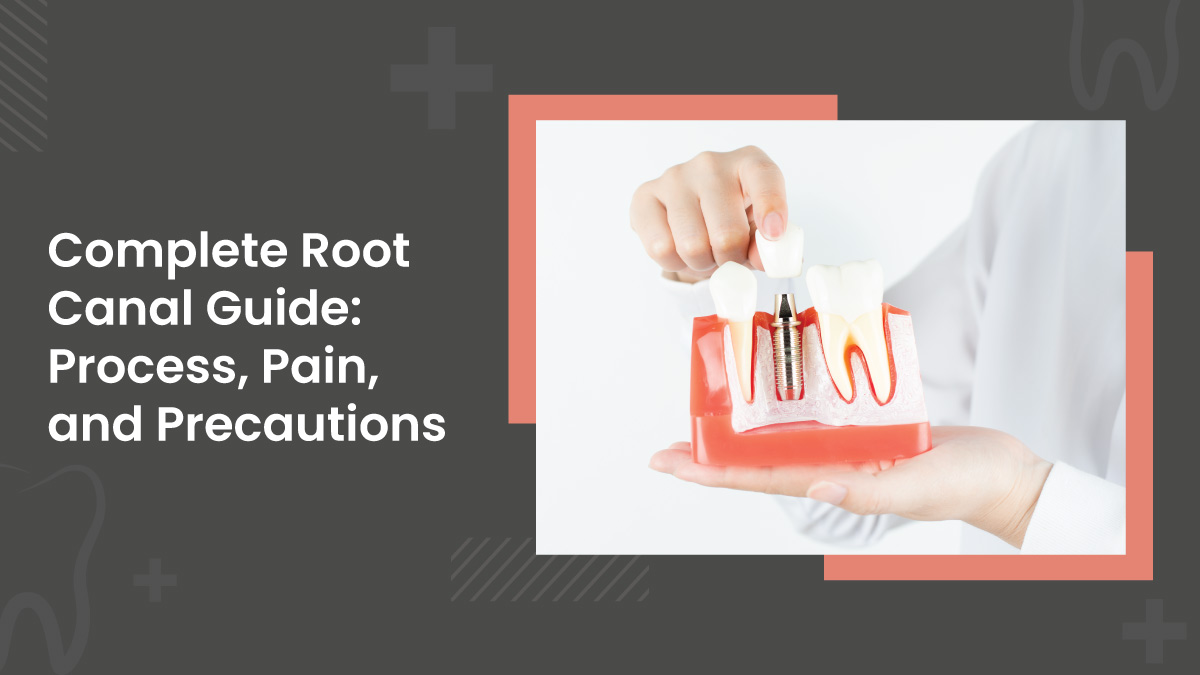
Where teeth are missing, full-mouth implant rehabilitation offers the most stable, long-lasting solution available. Implants are titanium posts placed into the jawbone that function as artificial tooth roots.
They support crowns, bridges, or implant-retained dentures, and they preserve the jawbone beneath them in a way no other tooth replacement option can. For patients with multiple missing teeth, implants are often the structural foundation everything else is built around.
2. Crowns and Bridges for Damaged Teeth
Teeth that are structurally compromised but still present are most often restored with crowns, which encase the remaining tooth to restore its shape, strength, and function. Bridges fill the space left by a missing tooth by anchoring to the healthy teeth on either side. Both are custom-made to match the surrounding teeth in colour and form.
3. Periodontal Treatment: The Foundation First
No restorative work can succeed on an unhealthy foundation. If gum disease is present, it is always treated before anything else begins. Depending on its severity, this may involve deep cleaning, root planing, or, in more advanced cases, surgical intervention.
Getting the gums and bone to a state of health is not a preliminary step. It is the step that determines whether everything else will last.
4. Bite Correction Treatment
An uneven or misaligned bite does not just cause discomfort. It distributes force unevenly across the teeth, accelerating wear and placing strain on the jaw joints.
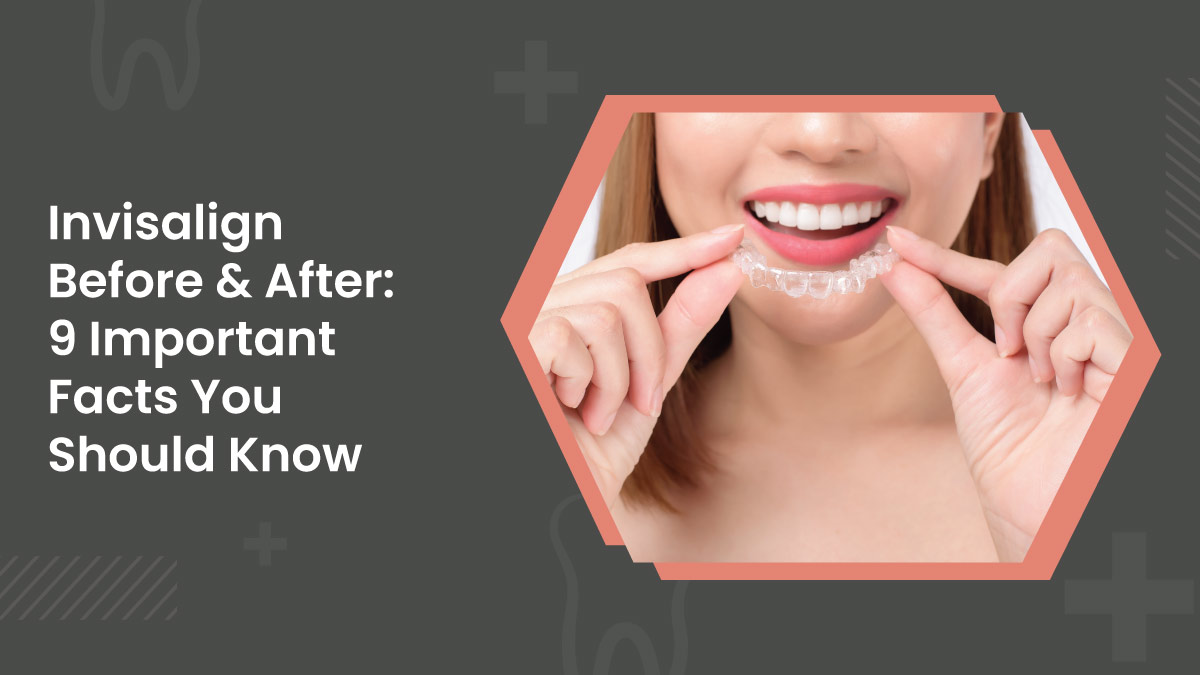
Bite correction treatment may involve orthodontic work, including aligners or braces, reshaping the biting surfaces of existing teeth, or building them up with restorations. Correcting the bite is often what transforms a rehabilitation from a cosmetic result into a durable one.
5. Aesthetic Finishing
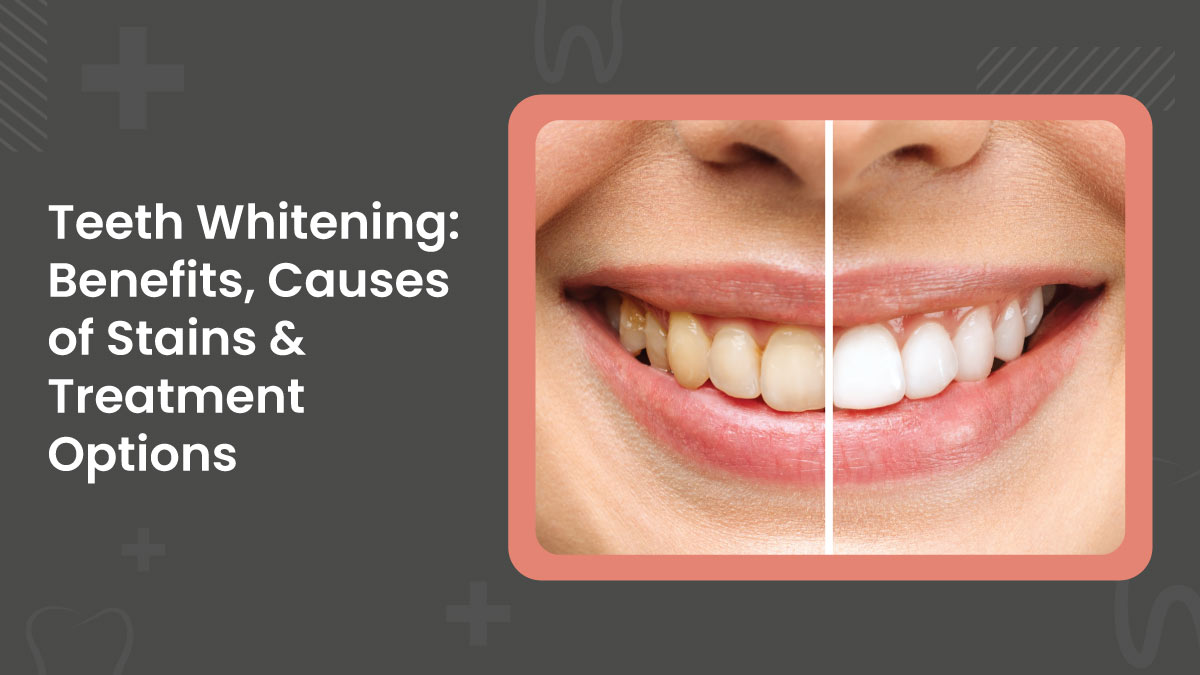
Once the structural and functional work is complete, the aesthetic result is refined. Veneers, composite bonding, or tooth whitening may be used to achieve the final appearance.
For patients who want to explore the full range of what is possible at this stage, discussing cosmetic smile makeover options with your specialist opens up a broader picture of the outcome you can achieve.
C] How Long Does the Process Take?
1. Depends on the Complexity of the Treatment Process
The timeline depends on the complexity of the treatment plan, the number of procedures involved, and the healing required between stages. A plan centred on crowns and bridgework may be completed within a few months. A comprehensive plan involving implants, bone grafting, periodontal treatment, and orthodontics can take one to two years from start to finish.
2. Why the Phases Cannot Be Rushed
Each stage of treatment requires the body to heal before the next can begin. Implants, for example, go through a period of osseointegration, where the titanium post fuses with the surrounding bone before a permanent tooth can be attached. This typically takes three to six months, and compressing these healing windows compromises your long-term results.
Allowing proper time between phases also enables your dentist to use conservative, modern prosthetic options during the final rehabilitation stage. For example, using ceramic onlays instead of traditional full crowns requires significantly less tooth grinding. This approach preserves your natural tooth structure while ensuring a durable, long-lasting finish.
3. What the Journey Actually Feels Like
Most patients find the process considerably more manageable than they anticipated, particularly once the first phase is behind them. Progress becomes visible early, and each appointment builds on the last. Your specialist will give you a clear phased plan from the outset so you always know what is coming next and when.
D] Is Full-Mouth Rehabilitation Painful?
1. During the Procedures
The honest answer is far less than most people expect. Every procedure in a full mouth rehabilitation plan is carried out under local anaesthesia.
You will feel pressure and movement during treatment, but not pain. For patients with significant dental anxiety, sedation options are available and genuinely worth discussing before treatment begins. No one should be pushing through fear alone.
2. In the Days After
Some soreness and tenderness after individual procedures is normal. It is the body's response to treatment, and it is temporary. Most patients manage it comfortably with standard over-the-counter pain relief, and it typically settles within two to three days.
More involved procedures such as implant surgery or bone grafting involve a slightly longer recovery, which your dentist will prepare you for specifically.
3. The Pain You Are Already Living With
This is the part that often goes unacknowledged. Many patients who have been avoiding treatment for years are already managing daily discomfort: sensitivity, pain when eating, jaw ache, and the constant low-level awareness of teeth that are not right.
For most people, the discomfort associated with individual procedures is considerably less than what they have already been tolerating. The difference is that the procedures are building toward something better.
E] Full Mouth Rehabilitation Cost in Mumbai
1. Why There Is No Single Figure
Full mouth rehabilitation cost in Mumbai, like dental restoration cost anywhere, depends on the scope of the plan. The number of teeth involved, the procedures required, the materials selected, and the specialist team all influence the final figure.
A plan centred on a few crowns and a bridge sits in a very different bracket from one involving multiple implants, bone grafting, and full-arch restoration.
2. Teeth Restoration Cost in India vs Elsewhere
Full mouth reconstruction cost in Mumbai is considerably more affordable than equivalent treatment in the UK, US, or Australia, which is one reason India has become a destination for dental treatment from overseas patients.
That affordability does not reflect a compromise in quality. It reflects the difference in operating costs and the strength of India's dental training infrastructure. For patients in Mumbai, access to specialist-level care at these price points is a genuine advantage.
3. Is Full Mouth Reconstruction Covered by Insurance?
Standard dental insurance in India typically offers limited coverage for major restorative work. Procedures that are classified as functional rather than cosmetic may attract partial coverage. It is always worth reviewing your policy in detail and asking your insurer directly.
Many clinics, including specialist practices, offer staged payment options that allow treatment to be spread across the duration of the plan rather than paid upfront in full.
4. Getting a Cost Number That Means Something
The only way to get an accurate cost for your specific situation is through a full clinical assessment. Until a specialist has examined your teeth, reviewed imaging, and understood the complete picture, any figure is an estimate. A thorough assessment appointment is where a real, itemised plan and cost breakdown becomes possible.
F] How to Protect Your Results Long Term
1. Daily Care Is Non-Negotiable
The work that goes into full-mouth rehabilitation deserves to last. Brushing twice daily with a soft-bristled brush, cleaning between the teeth with floss or interdental brushes, and avoiding habits that place unnecessary stress on the teeth are the daily foundations.
For patients with implants, your specialist will show you exactly how to clean around them effectively, since the technique differs slightly from natural teeth.
2. Regular Professional Monitoring
Once your rehabilitation is complete, professional check-ups become more important, not less. Your dentist will monitor the condition of the restorations, assess the health of the surrounding gum and bone, and identify any early changes before they become problems.
How often you need to come in will depend on your individual risk factors, but every six months is a reasonable starting point for most patients.
3. Protecting Against Grinding
If grinding was a contributing factor in the original damage, a custom night guard is almost always recommended after rehabilitation is complete. Grinding places considerable force on teeth and restorations, and protecting against it is one of the most straightforward ways to extend the life of everything your treatment has achieved.
4. The Right Mindset for Long-Term Success
Full mouth rehabilitation is the beginning of a different relationship with your oral health. Patients who approach their maintenance with the same seriousness they brought to the treatment itself tend to enjoy their results for many years, often decades. That is the real return on the investment.
Get specialist-led rehabilitation care right here in Prabhadevi.
Conclusion
Full mouth rehabilitation gives people back something that matters more than most of us admit until we have lost it: the ability to eat without thinking about it, to laugh without covering your mouth, and to show up in the world without that quiet background awareness of your teeth.
The process requires time and commitment, but for most patients, it represents a life-changing leap forward in their overall health, lifestyle, and confidence. While it can seem daunting from the outside, the procedure is carefully structured and far more manageable in practice than you might expect.
If you have been waiting for the right moment to deal with this, this is it. Contact our team to book a comprehensive assessment. As a leading dental clinic in Prabhadevi, our specialists will give you a clear, honest picture of what your mouth needs and exactly what the path forward looks like.