Children’s Dental Milestones: A Parent’s Guide to Tooth Development
Watching your child’s smile grow is one of the sweetest parts of parenting. From that first tiny tooth breaking through the gums to the day they show off a full set of permanent teeth, every stage matters. These changes aren’t just cosmetic; they tell you a lot about your child’s health and development. Understanding the normal kids teeth timeline makes it easier to spot concerns early, support good habits, and know when professional care is needed.
A] Why Dental Milestones Are Important
Your child’s teeth do more than help with chewing and speaking. They guide jaw growth, shape the bite, and prepare the way for adult teeth. When teeth erupt on schedule, it’s usually a sign that development is on track. But if teeth arrive too early, too late, or in an unusual order, it may be worth asking questions.
Delayed eruption patterns in tooth development stages by age can sometimes point to nutritional issues, enamel defects, or even problems with jaw growth. That’s where a paediatric dentist comes in. Specialists in milestones paediatric dentistry keep a close eye on your child’s progress, offering reassurance when things are normal and solutions when something isn’t. If you’re ever uncertain, a trusted dentist in Prabhadevi guide you.
B] Baby Teeth Timeline: What Parents Should Expect
Baby teeth, often called primary teeth, are your child’s first set. They don’t last forever, but they’re still important for eating, speaking, and holding space for permanent teeth. Read to know when do babies start teething.
0–6 months
Most babies are born with tooth buds beneath the gums. Even before teeth are visible, you may notice drooling or chewing behavior. This is the very beginning of the infant teething age.
6–12 months:
This is usually when babies start teething, with the bottom front teeth (central incisors) appearing first. A few weeks later, the top front teeth follow.
1–3 years
By the third birthday, most children have all 20 baby teeth. If your child doesn’t have all their teeth by age three, it’s a good idea to ask your paediatric dentist about it.
The pace varies slightly, but if teeth are very delayed, that’s a signal to seek professional advice.
C] Permanent Teeth Timeline: Growing With Your Child
Baby teeth eventually give way to permanent teeth, and this process happens gradually over many years.
6–7 years
The first permanent molars erupt behind the baby molars, often called the “six-year molars.” Around this time, the permanent front teeth begin to appear. These are big teeth milestones that signal the start of the transition.
7–12 years
Baby teeth continue to fall out and are replaced with adult teeth. This is also the stage when early orthodontic issues may start to show, such as crowding or misalignment.
12–13 years
By early adolescence, most kids have 28 permanent teeth in place. The only ones missing at this point are the wisdom teeth.
17–21 years
Wisdom teeth erupt in the late teens or early twenties. Some people never get them, while others may need them removed if there isn’t enough room.
Knowing this kids teeth timeline helps you stay calm when your child loses a tooth earlier or later than a friend. Small variations are normal, but large gaps in timing should be checked.
D] Common Dental Concerns During Milestones
Each milestone comes with its own set of challenges.
Paediatric tooth decay:
Baby teeth may be temporary, but they’re still vulnerable. Paediatric tooth decay is often caused by frequent snacking, sugary drinks, or falling asleep with a bottle.
Teething discomfort:
Babies and toddlers often deal with sore gums, fussiness, and disrupted sleep. A chilled teething toy or a clean, cool washcloth can bring relief.
Early orthodontic issues:
As permanent teeth come in, crowding, overlapping, or spacing problems may appear. These can usually be managed if caught early.
E] Tips for Parents to Support Healthy Tooth Development
You play the biggest role in your child’s dental care. Small, consistent steps go a long way in building healthy habits.
- Brush as soon as the first tooth appears, using a small smear of fluoride toothpaste.
- Make dental checkups routine. Clinics offering general dentistry for children in Prabhadevi help guide parents and kids through every stage.
- Offer nutritious foods such as milk, cheese, yogurt, leafy greens, and crunchy fruits to support strong teeth.
- Make brushing fun—songs, games, or a colorful toothbrush can turn it into a positive routine.
F] When to Visit a Paediatric Dentist
Routine visits every six months are recommended, but sometimes you’ll need to schedule an appointment sooner. Red flags include:
- No teeth erupting by the first birthday
- Visible cavities or white spots on the teeth
- Ongoing pain, swelling, or sensitivity
- Injuries to the mouth or jaw
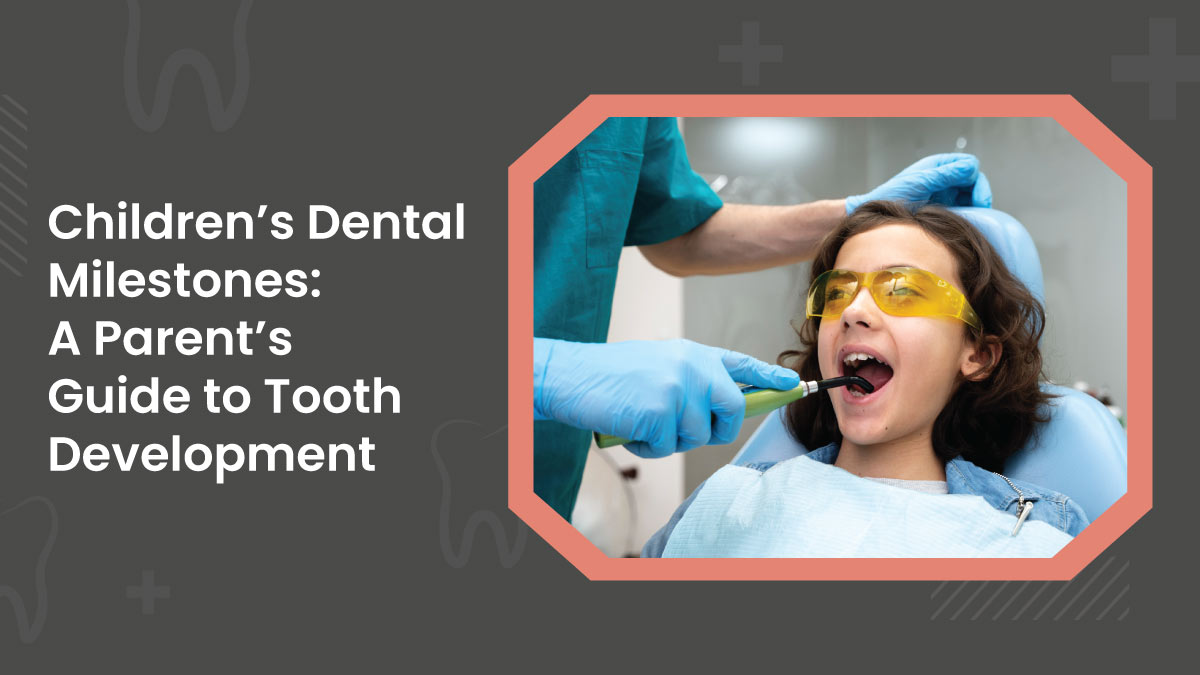
Preventive care saves a lot of stress down the line. Paediatric dentists can step in early and keep small issues from turning into bigger ones.
Conclusion
Tracking your child’s teeth milestones isn’t about memorizing exact dates, it’s about noticing patterns and supporting healthy habits. From the first baby tooth to the last wisdom tooth, every stage matters. By starting children’s dental care early, focusing on nutrition, and staying consistent with checkups, you give your child the foundation for a strong, healthy smile. And when something feels off, reaching out to a trusted dentist in Prabhadevi make all the difference.
Get in touch with an expert dentist now.